
Sheet Metal Welding Services for Custom Parts and Assemblies
ShincoMetal manufactures custom sheet metal parts and assemblies in China, including enclosures, brackets, chassis, and frames.
Send your assembly model and drawings to discuss the welding scope. Material grade, component thickness, joint access, critical interfaces, and finish requirements help determine a suitable manufacturing route.
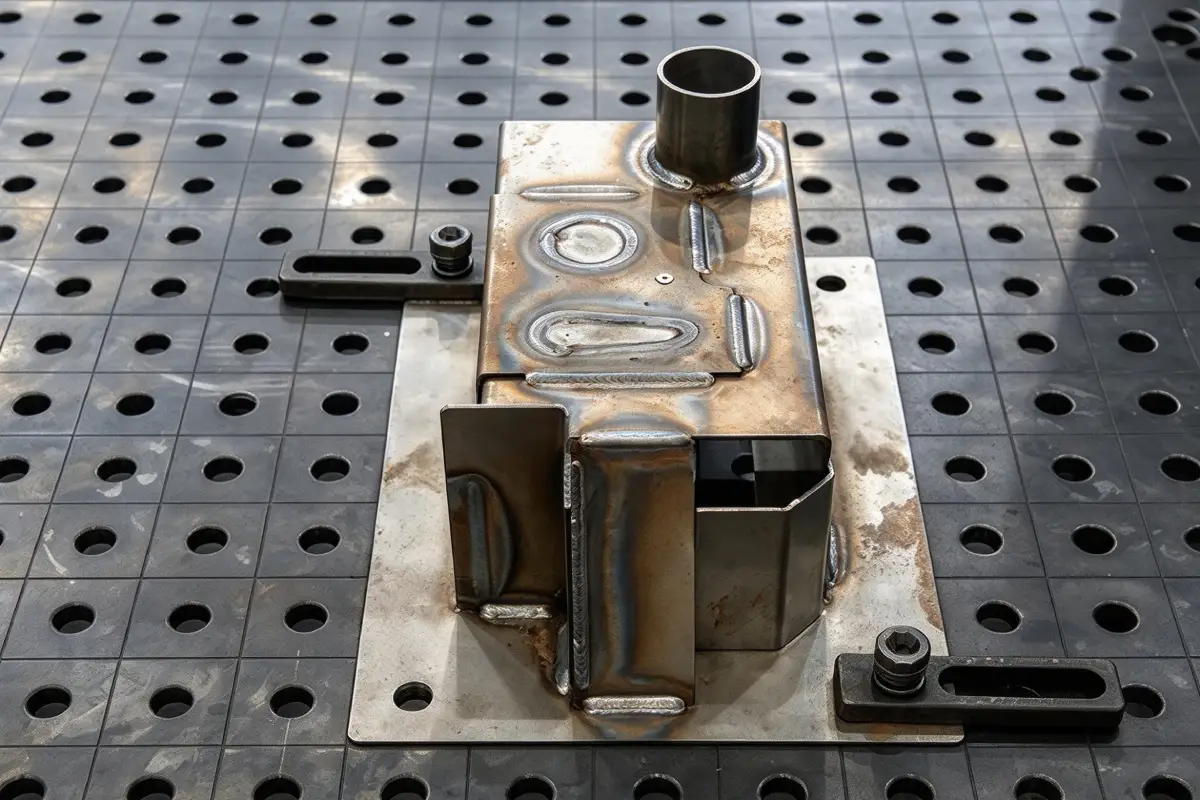
Welding Scope for Your Project
Start with the assembly’s function: how it connects to other parts, which dimensions control fit, which surfaces remain visible, and whether any joints require a continuous seal.
Welding Processes and Order Scope
The table below outlines the welding processes and order arrangements available for project review. Process selection depends on material grade, component thickness, joint geometry, access, and the required finished condition. Availability for a particular assembly must be confirmed against its drawings.
| Project requirement | Scope for Drawing Review | What to include in your RFQ |
|---|---|---|
| TIG welding | Available for suitable stainless steel, mild steel, and aluminum assemblies. | Material grade, thickness, joint access, and visible seam requirements |
| MIG welding | Available for suitable steel and aluminum brackets, frames, and assemblies. | Joint geometry, weld size, quantity, and assembly dimensions |
| Laser welding | Available for selected thin-sheet joints following fit-up and access review. | Material, thickness, joint gaps, seam location, and appearance requirements |
| Resistance spot welding | Available for suitable overlapping sheet and flange connections. | Sheet stack, coatings, electrode access, and spot locations |
| Robotic welding | Available for selected repeat-production assemblies after fixture and volume review. | Annual quantity, release quantities, design stability, and accessible weld paths |
| Complete fabrication | Cutting, forming, welding, and agreed finishing can be combined within one order scope. | Complete part and assembly drawings, hardware, finish, and delivery requirements |
| Welding customer-supplied parts | Welding-only projects can be considered after reviewing incoming parts and fit-up responsibilities. | Supplied-part condition, material records, quantities, and acceptance requirements |
For each project, the quotation should identify the included operations, any externally supplied processes, and the agreed inspection and documentation scope.
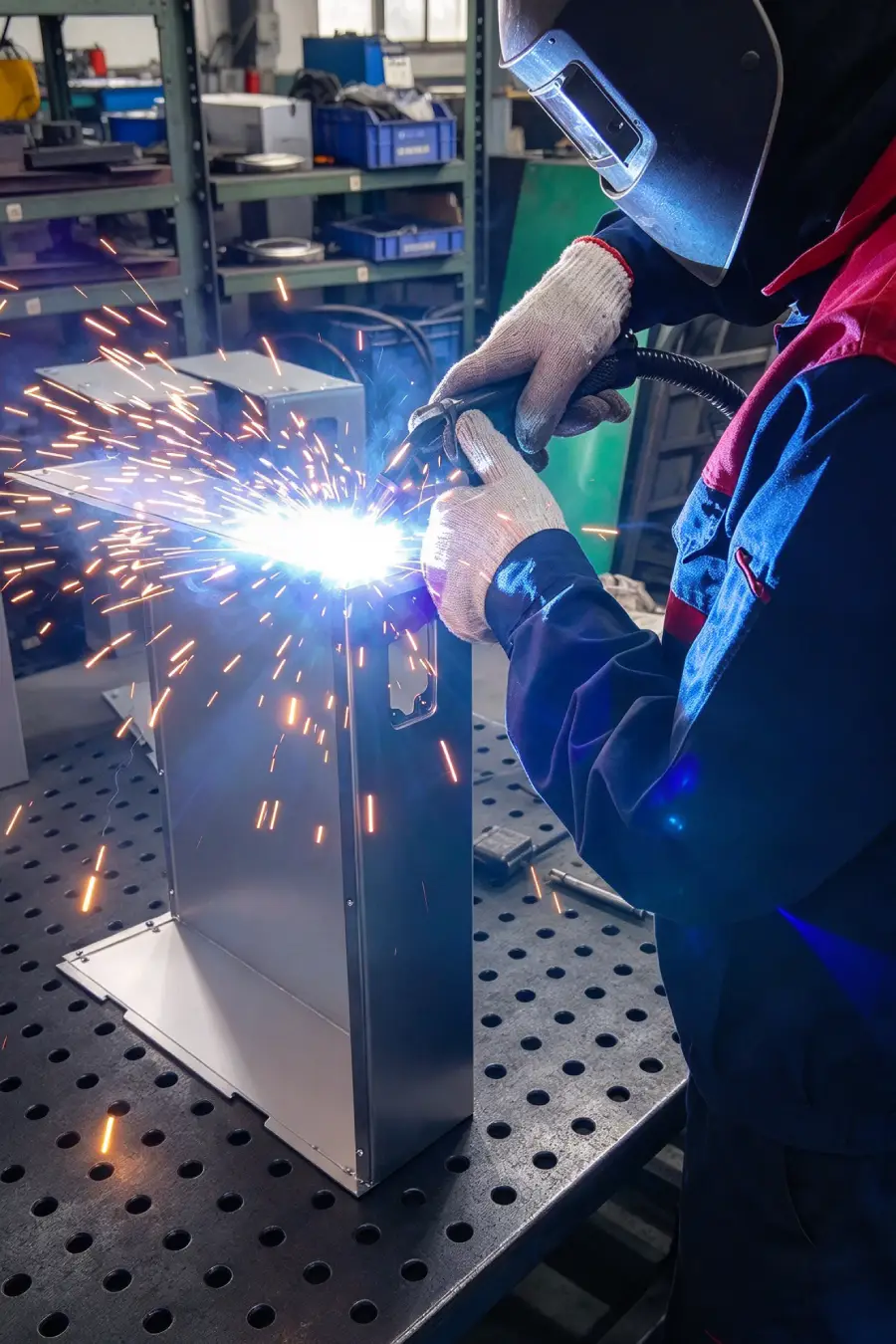
Materials and Assembly Fit
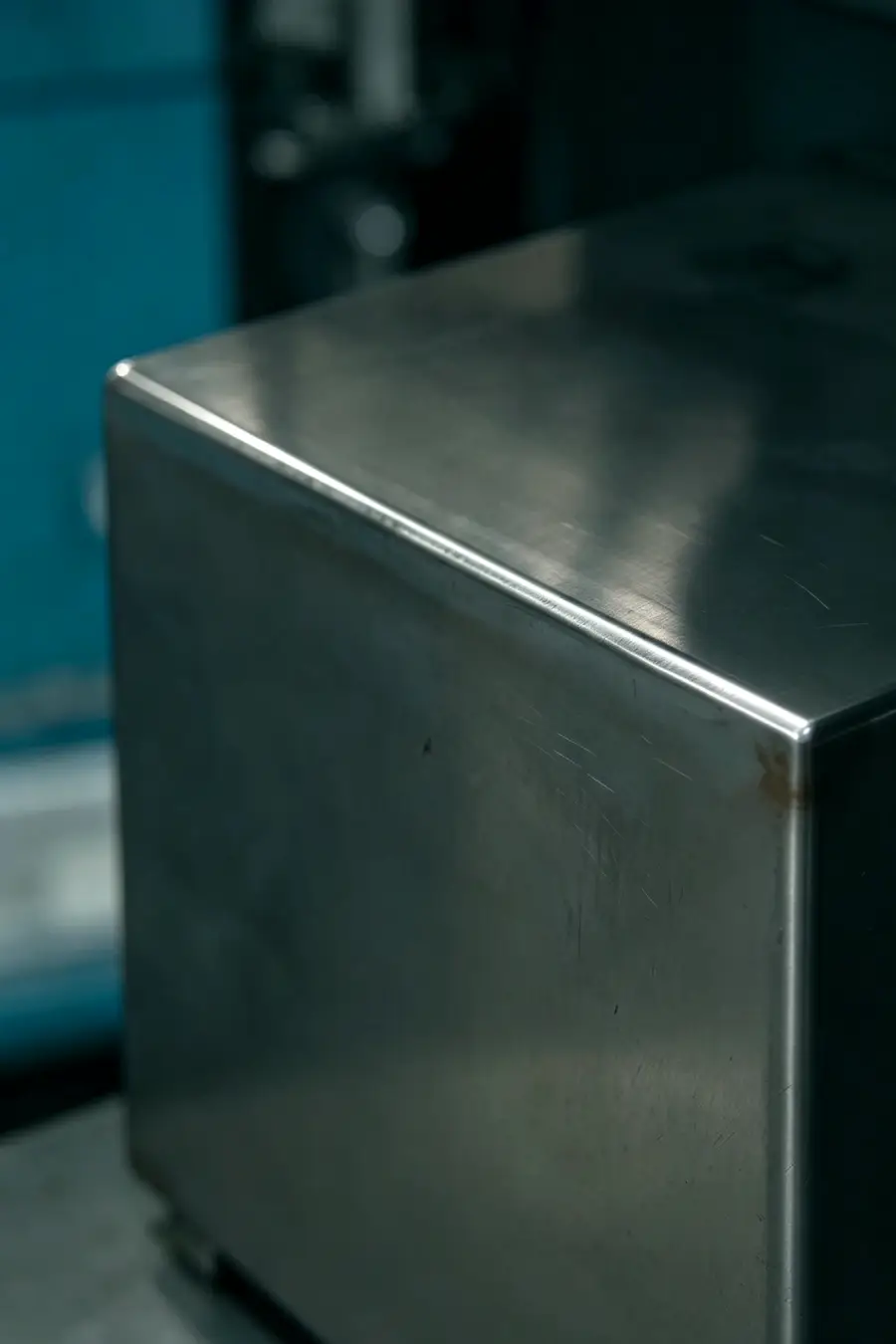
Material selection affects filler choice, heat response, weld cleaning, and the properties of the finished joint. A material name alone does not establish whether a particular assembly is suitable for welding.
The following material coverage is proposed for confirmation.
| Material | Proposed coverage | Important design considerations |
|---|---|---|
| Stainless steel | 304 and 316L sheet assemblies. | Shielding, contamination control, weld cleaning, and service exposure affect corrosion performance |
| Carbon and mild steel | Specified low-carbon sheet and suitable structural components. | Surface condition, joint loading, and corrosion protection guide the manufacturing route |
| Aluminum | 5052 and 6061 components, subject to joint and process review. | Welding changes local properties in heat-treated 6061; filler and post-weld requirements need consideration |
| Galvanized steel | Selected zinc-coated sheet assemblies following preparation and coating-repair review. | Zinc affects welding conditions, fume control, and local corrosion protection |
| Copper and brass | Assessed individually rather than treated as standard material coverage. | Thermal conductivity, alloy composition, zinc content, and electrical requirements influence suitability |
Thickness, Assembly Size, and Critical Features
Use the following material and assembly ranges for an initial suitability check. These are screening references, not guaranteed limits for every joint. Component thickness, overall size, joint access, and the required finished condition must be considered together.
| Material or Assembly Requirement | Initial Screening Range | Conditions Affecting Suitability |
|---|---|---|
| Stainless steel | Component thickness: 0.8–6.0 mm, subject to grade, joint design, and welding process. | Grade, seam length, shielding access, visible surfaces, and distortion requirements |
| Mild steel sheet | Component thickness: 0.8–8.0 mm, subject to joint design, thickness combinations, and welding process. | Joint loading, thickness combinations, weld size, and corrosion protection |
| Aluminum components | Component thickness: 1.0–6.0 mm, subject to alloy, temper, joint design, and welding process. | Alloy and temper, joint design, heat-affected properties, and final finish |
| Complete welded assemblies | Typical overall assembly envelope: up to 1,500 × 1,000 × 1,000 mm (L × W × H), subject to fixture capacity, joint access, and handling requirements. | Fixture capacity, access to internal joints, handling, and post-weld inspection |
State the thickness of each joined component, rather than one nominal thickness for the assembly. Include the overall dimensions and identify long seams, enclosed corners, mixed-thickness joints, and broad unsupported panels.
Mark the features that must remain within tolerance after welding and finishing: mounting holes, mating flanges, gasket contact surfaces, squareness, and any faces or bores requiring post-weld machining. Tie each tolerance to a drawing datum and specify whether it applies before or after finishing.
Projects outside the listed screening ranges require individual review; the table alone should not be used to accept or reject a design.
Choosing the Welding Process
The process should follow the joint’s function, material, access, appearance requirements, and production quantity.
TIG: Control at Accessible Joints
TIG welding uses a nonconsumable tungsten electrode, with separate filler added when required. It offers close control of the weld pool for suitable thin sections, corners, and visible seams.
Joint preparation and shielding are important. Where reverse-side oxidation would affect cleanliness or corrosion performance, the shielding arrangement needs to address that surface as well.
MIG: Continuous Wire Feeding for Suitable Assemblies
MIG welding feeds wire continuously into the joint and can suit brackets, frames, and longer seams where deposition rate matters.
Thin sheet requires appropriate settings and technique to control burn-through, spatter, and distortion. Weld size should follow the joint and load requirements; adding more weld metal can also add unnecessary heat and finishing work.
Laser: Concentrated Energy with Fit-Up Requirements
Laser welding concentrates energy into a small area and can limit thermal effects for suitable joints. Consistent fit-up, controlled gaps, and access to the weld path remain important.
A narrow, neat bead does not by itself establish penetration or joint strength. Acceptance must follow the specified joint requirements.
Resistance Spot Welding: Repeated Lap Connections
Resistance spot welding joins overlapping sheets using electrical resistance and electrode pressure. Joint design must allow electrode access and account for the sheet stack and coatings.
Separate spots leave spaces between welds. They do not provide a continuous sealed seam.
Robotic Welding: Repeatability Depends on the Parts
Robotic welding automates a selected welding process. Its value depends on stable incoming geometry, repeatable joint locations, accessible weld paths, and recurring production.
Automation does not remove the need for sound fit-up, heat control, or finished-assembly inspection.
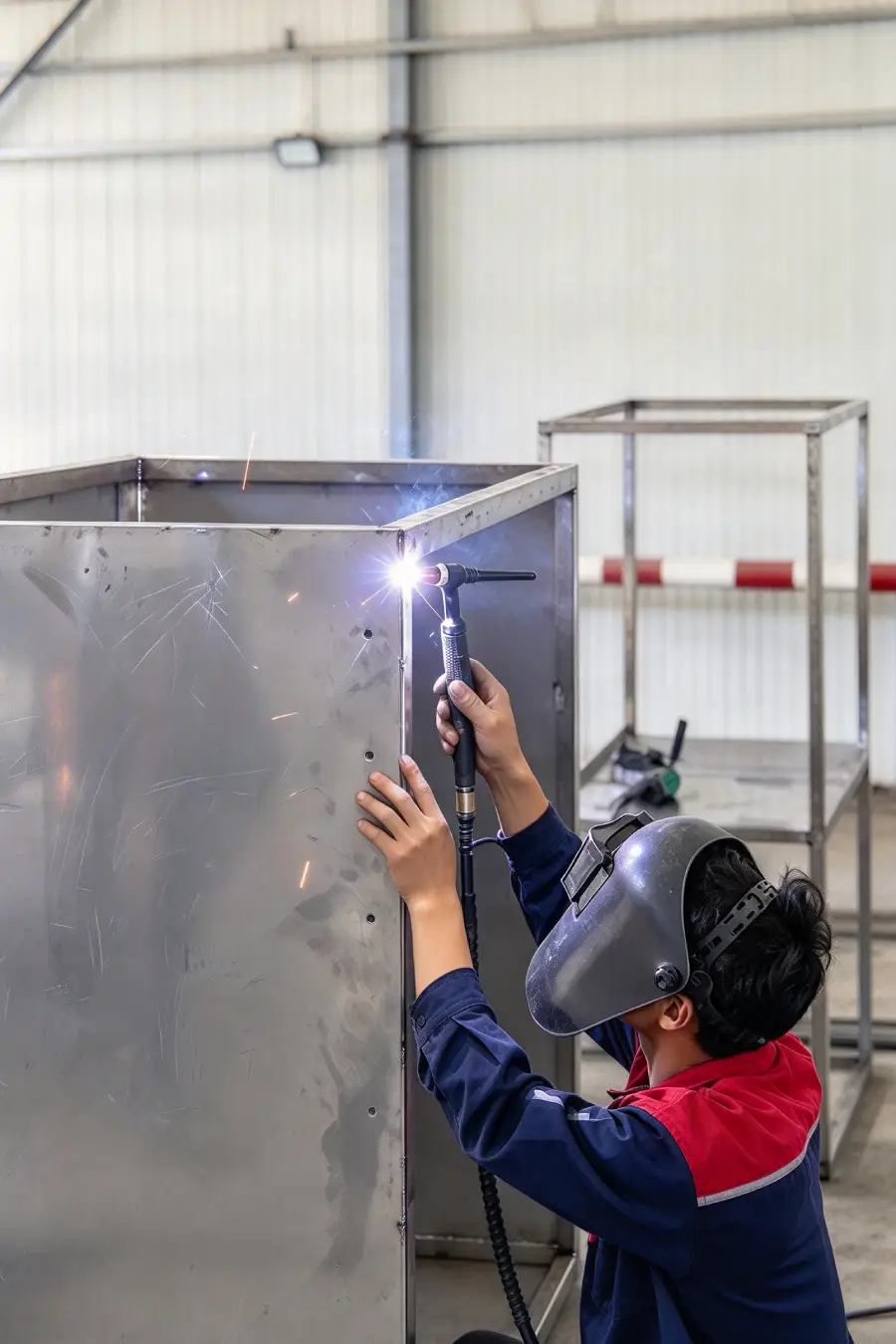
Controlling Fit-Up and Weld Distortion
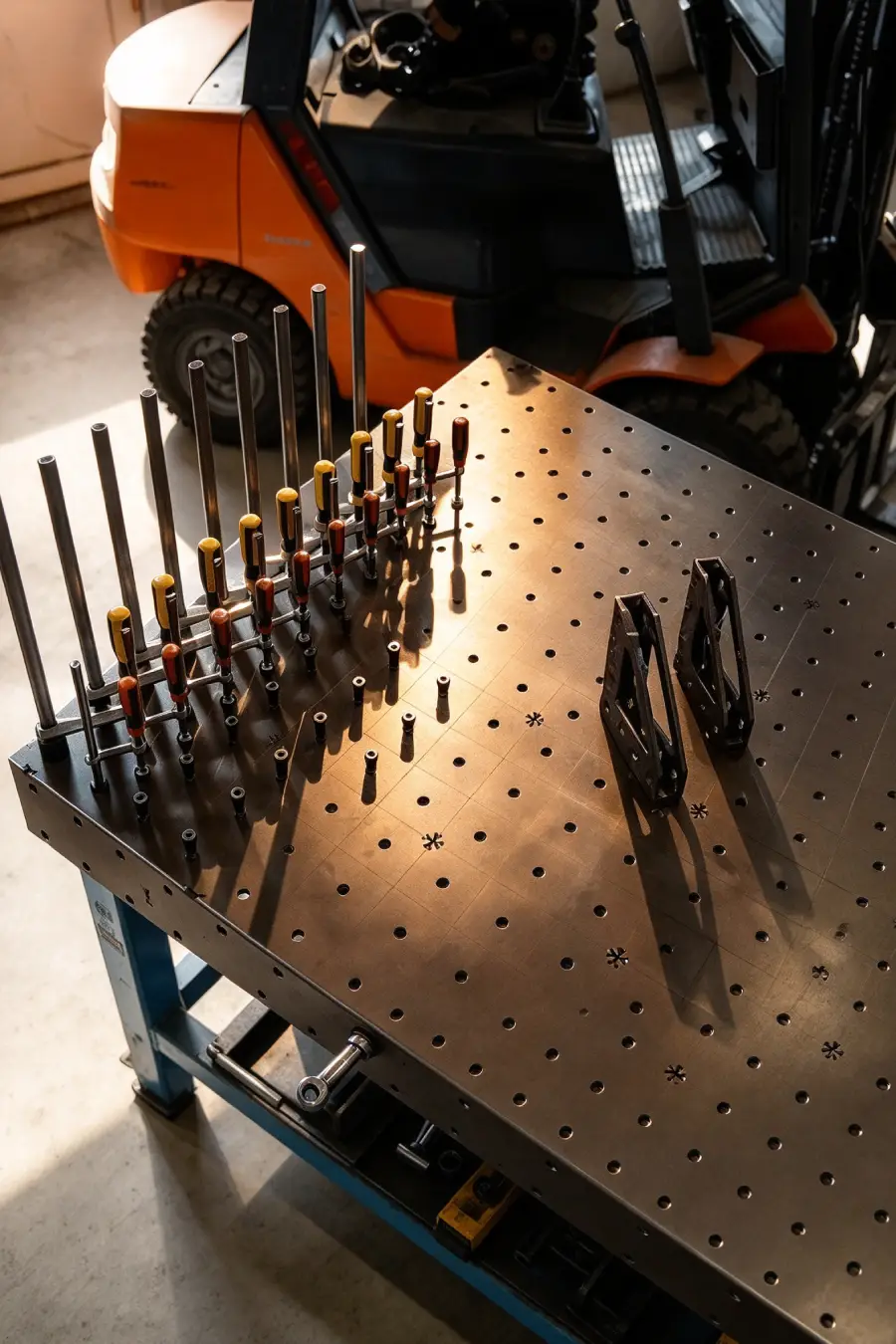
A fixture should locate the assembly from defined reference features while leaving access for welding and inspection. Clamp positions and supports must account for weld shrinkage and the risk of marking or deforming thin panels.
The table and locating tools shown illustrate fixture hardware. For a specific assembly, the useful evidence is how the components are located, where they are clamped, and which dimensions are checked after welding.
Joint Access and Locating Features
A joint needs space for welding, shielding, inspection, and any specified grinding. Internal corners, hardware, and closely spaced flanges can restrict that access.
Tabs and slots can help locate components, but their clearances must accommodate cutting and forming variation. They should not obstruct the weld path or create an unwanted opening.
Heat Input and Assembly Sequence
Weld shrinkage can move a flange or cause oil-canning in a broad panel. Suitable tacking, balanced sequences, clamping, and heat sinks can help manage movement.
Intermittent welds may reduce total heat where the design permits them. They cannot replace a continuous seam required by the specified function.
Dimensions After Welding
Define critical dimensions from clear datums and state whether they apply before or after finishing. A post-weld machined face or bore may be appropriate where welding movement would otherwise affect the required interface.
Post-weld machining also introduces setup, access, and stock requirements that belong in the manufacturing plan.
Specify the Weld Appearance You Need
Not every joint needs cosmetic grinding. Define the required condition by surface or weld zone so appearance work does not remove material unnecessarily.
| Required condition | Typical purpose | What to specify |
|---|---|---|
| As-welded | Internal or noncosmetic joints where dressing provides no functional benefit | Weld acceptance requirements, clearance, and permitted surface condition |
| Locally dressed | Mating faces or areas requiring clearance | Exact dressing zones and the required final geometry |
| Flush blended | Exposed joints requiring a more continuous visual surface | Visible faces, reference appearance, finish direction, and final coating |
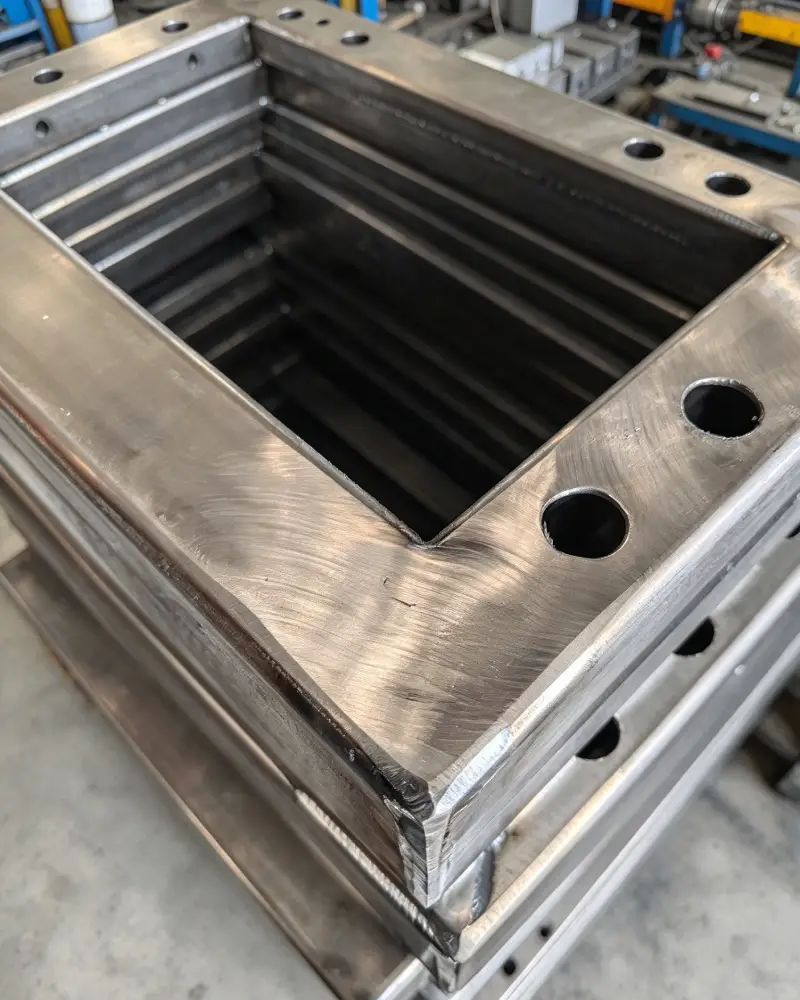
Grinding must leave sufficient weld section for the design requirement. Powder coating may reveal underlying irregularities, while anodizing can highlight differences between filler and parent metal.
For stainless steel, specify any required weld cleaning and final surface condition. For galvanized steel, address protection where welding has damaged the zinc coating.
Quality Requirements and Inspection Scope
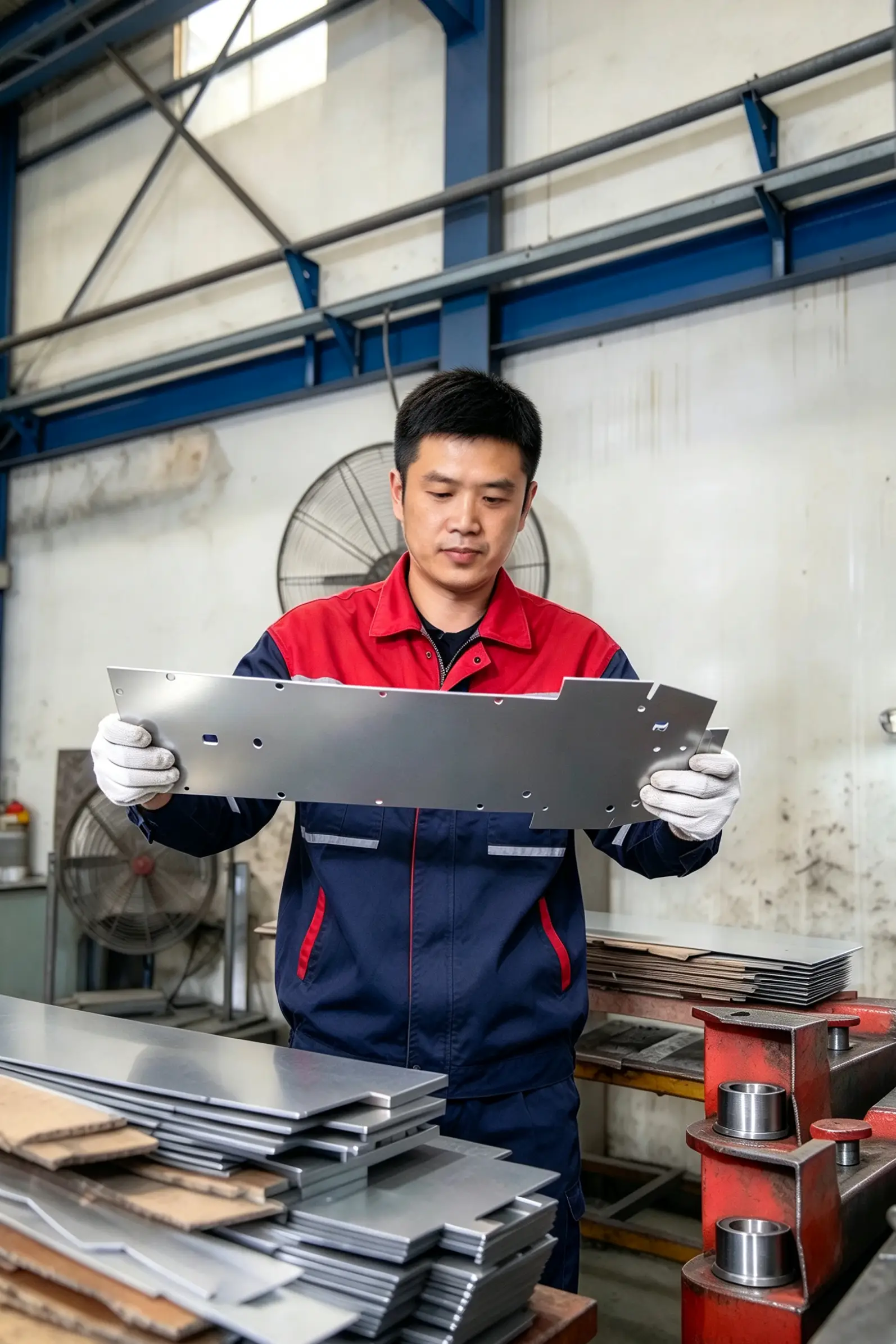
Assembly fit, weld integrity, and sealing performance answer different questions. Agree on the applicable acceptance criteria before placing the order.
The proposed routine inspection scope includes drawing-based dimensional checks and visual inspection of accessible welds.
| Requirement | Relevant inspection or test | Conditions to define |
|---|---|---|
| Assembly fit | Dimensional checks against drawing datums | Critical features, tolerances, and inspection condition |
| Weld surface acceptance | Visual inspection | Applicable criteria, accessible surfaces, and permitted discontinuities |
| Surface-breaking discontinuities | Liquid penetrant testing on suitable nonporous materials | Procedure, areas examined, and acceptance criteria |
| Selected internal discontinuities | Radiographic or ultrasonic testing where technically suitable | Thickness, geometry, access, procedure, and governing requirements |
| Sealing or pressure performance | Defined leak or pressure test | Medium, pressure or differential, duration, acceptance, and safety controls |
Liquid penetrant testing is not a leak test. Likewise, a dimensionally correct assembly or smooth weld surface does not demonstrate every aspect of weld integrity.
Special nondestructive testing and leak or pressure testing can be included only after the method, technical suitability, and responsible testing provider are agreed.
Codes, Traceability, and Reports
A welding code may introduce procedure qualification, personnel qualification, and acceptance requirements. A quality-management certification does not replace these product-specific obligations.
State any required code and edition in the RFQ. Identify the required documentation, such as material records, welding procedure documents, qualification records, inspection reports, or a certificate of conformity.
The available documentation and traceability package will be identified in the quotation.
From Prototype to Repeat Production
A prototype helps evaluate fit, joint access, and appearance. Repeat orders depend on stable drawing revisions, consistent incoming parts, and agreed acceptance criteria.
Prototype and repeat-production orders are available, with fixture and release requirements reviewed by project.
Before a larger release, identify which features need approval and how changes will be recorded. A formal first-article inspection package is a separate documentation requirement and should be specified in the RFQ.
For recurring orders, provide expected release quantities and design stability. These affect whether dedicated fixtures or automation are practical.
Delivery planning should also account for material sourcing, finishing, special inspection, packaging, and transport. Packaging must support the assembly without loading vulnerable panels or flanges, while protecting cosmetic surfaces and addressing corrosion risks.
Welding Service FAQ
How Can Warping in Thin Sheet Be Reduced?
Joint design, total heat input, tack placement, weld sequence, and support all influence movement. Balanced welding and suitable clamping can help. Intermittent welds are an option only where the design permits them.
What Determines Whether TIG, MIG, or Laser Welding Is Suitable?
Material, thickness, joint geometry, access, fit-up, appearance, and quantity guide the choice. The selected process must also meet the required weld and assembly acceptance criteria.
Can You Weld Customer-Supplied Components?
Customer-supplied components can be considered after an incoming-part and fit-up review.
What Affects the Lead Time?
Material availability, fixture complexity, joint access, finishing, inspection, and shipping all contribute. Provide the required delivery date and destination with the drawing package so the schedule can be evaluated against the complete scope.
Can a Continuous Weld Guarantee a Watertight Assembly?
No. Starts and stops, penetrations, joint details, and discontinuities can all affect leakage. A sealing requirement needs a defined test and acceptance criterion; a continuous seam alone does not establish leak-tightness.
What Files Should I Send for a Welding Quote?
Send a 3D assembly model and 2D drawings identifying weld locations, critical dimensions, and finish requirements. STEP, DXF, and PDF are useful exchange formats. Include a revision identifier and state which source files are available.
Which Welding Standard Applies to My Assembly?
The applicable standard depends on the material, product, application, and contractual requirements. Include the required code, edition, inspection obligations, and documentation in the inquiry so suitability can be addressed before ordering.
Request a Quote for Sheet Metal Welding
Send a link to your drawings (STEP, DXF, or PDF) with the material, thickness, quantity, welding and finish requirements, and delivery details. Include any critical tolerances or inspection needs, and flag anything you’d like to discuss.
Factory Address
Building 1, No.8, Second Street, Huangjiang Town,
Dongguan City, Guangdong Province
Email
contact@shincometal.com
Phone / WhatsApp
+86 13392819510
Factory Visits
Please contact us in advance to arrange a factory visit.