
Sheet Metal Finishing for Custom Fabricated Parts
The finish must protect the surface without compromising how the part fits, functions, or looks.
ShincoMetal is a China-based sheet metal manufacturer for custom components and assemblies. Discuss finishing alongside your fabrication requirements, including the base metal, operating environment, cosmetic surfaces, and features that must retain their dimensions or electrical contact.
Send your CAD model and dimensioned drawing for a project-specific review. If the finish is not yet defined, describe the application and the requirements it needs to meet.
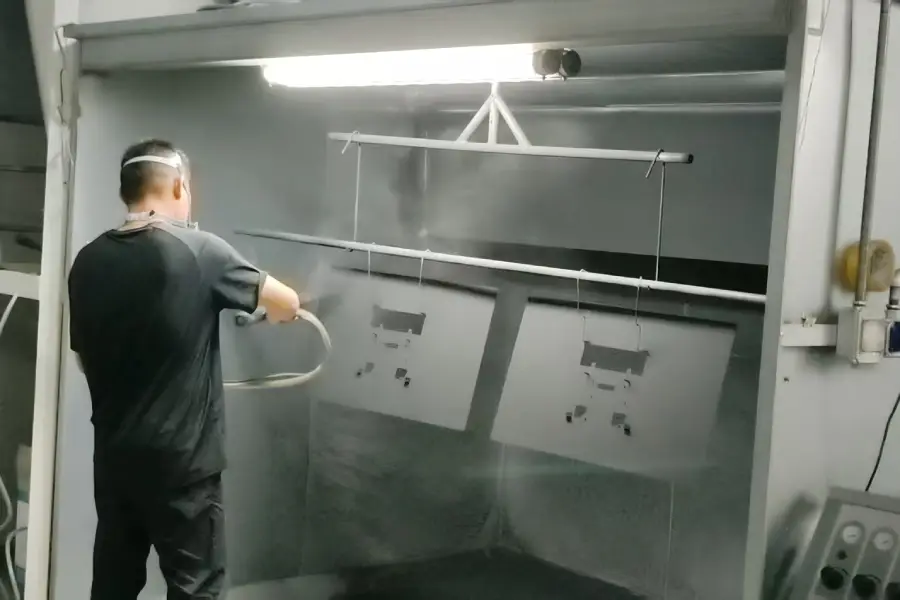
Finishing Scope for Your Project
Start by confirming the supply scope as well as the finish specification. A complete fabricated-part order and a finishing-only order require different information and responsibilities.
| Scope item | Service arrangement |
|---|---|
| Fabrication and finishing | Finishing can be included in a ShincoMetal fabricated-part or assembly order. |
| Finishing-only orders | Customer-supplied parts may be considered after reviewing their material, condition, geometry, and quantity. |
| Available treatments | Powder coating, wet paint, anodizing, conversion coating, stainless steel passivation, nickel or zinc plating, and mechanical finishing are available subject to project review. |
| In-house and specialist processes | The quotation identifies any specialist finishing processes performed by external partners and defines ShincoMetal’s delivery responsibility. |
| Part and batch limits | Maximum part dimensions, weight, handling requirements, and batch suitability are confirmed for the selected process before order acceptance. |
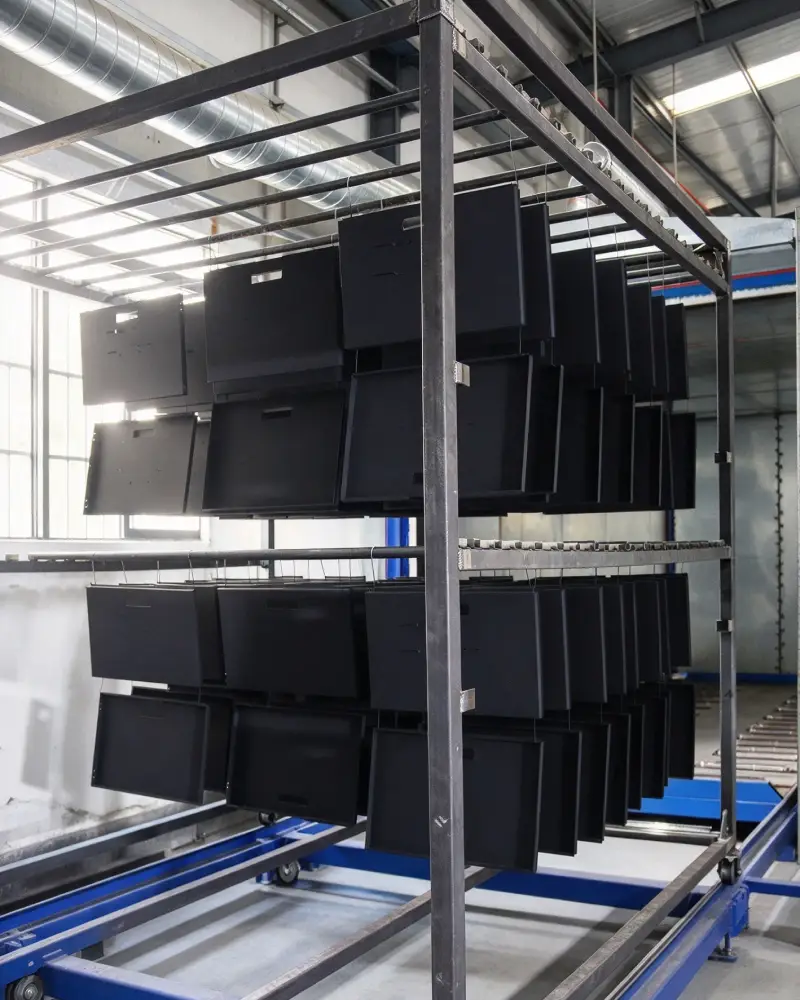
The comparison below explains common finishing routes. It is a selection guide; the agreed quotation and drawing specification define the process for your order.
Compare Sheet Metal Finishing Options
Choose the finish by application, not by appearance alone. Exposure, wear, conductivity, geometry, and assembly clearances can lead to different choices for otherwise similar parts.
| Finish | Typical substrate | Main purpose | Key selection considerations |
|---|---|---|---|
| Clear or dyed anodizing | Aluminum | Protective oxide with a metallic appearance | Alloy and weld filler affect appearance. Oxide growth affects mating dimensions, and the surface is electrically insulating. |
| Hardcoat anodizing | Aluminum | Wear resistance and electrical insulation | Thickness, dimensional growth, roughness, and sealing need to match the application. |
| Chemical conversion coating | Aluminum | Corrosion protection, paint preparation, or specified electrical contact applications | Chemistry, coating class, and acceptance criteria determine suitability. |
| Passivation | Stainless steel | Removal of free iron contamination to support corrosion resistance | Does not polish the surface, blend welds, or remove substantial heat tint. |
| Electroless nickel plating | Compatible metals with suitable preparation | Deposited layer for wear and corrosion requirements | Thickness adds material. Pretreatment, recess access, and trapped gas affect the result. |
| Zinc plating | Steel | Sacrificial corrosion protection | Deposit thickness and supplementary treatments influence fit and protection. |
| Powder coating | Suitable steel and aluminum parts | Colored protective coating | Film thickness, cure temperature, recess coverage, and grounding locations require review. |
| Wet paint | Substrates compatible with the selected coating system | Color and protective barrier | Primer, topcoat, preparation, cure conditions, and exposure must work together. |
| Blasting, brushing, or graining | Suitable metals for the selected method | Surface preparation or cosmetic texture | Media, material removal, roughness, grain direction, and designated cosmetic faces matter. |
Where a drawing references a standard, identify the applicable revision and relevant type, class, or grade, together with acceptance requirements. A process name or standard number alone may not fully define the finished part.
Common references include ASTM A967/A967M for stainless steel passivation, ASTM B733 for electroless nickel, ASTM B633 for zinc plating on iron and steel, and MIL-DTL-5541 for aluminum conversion coatings. Anodizing drawings may reference MIL-PRF-8625 or the legacy MIL-A-8625 designation.
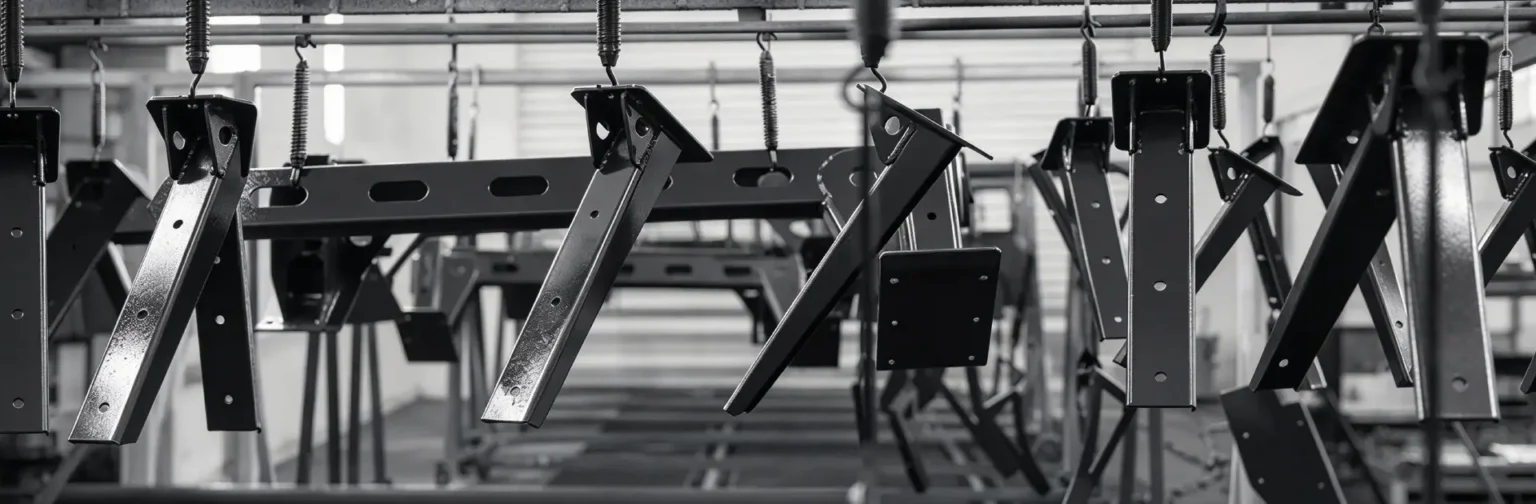
Define Appearance and Edge Requirements
A finish specification should distinguish appearance from measurable surface and edge requirements.
Deburring and Edge Condition
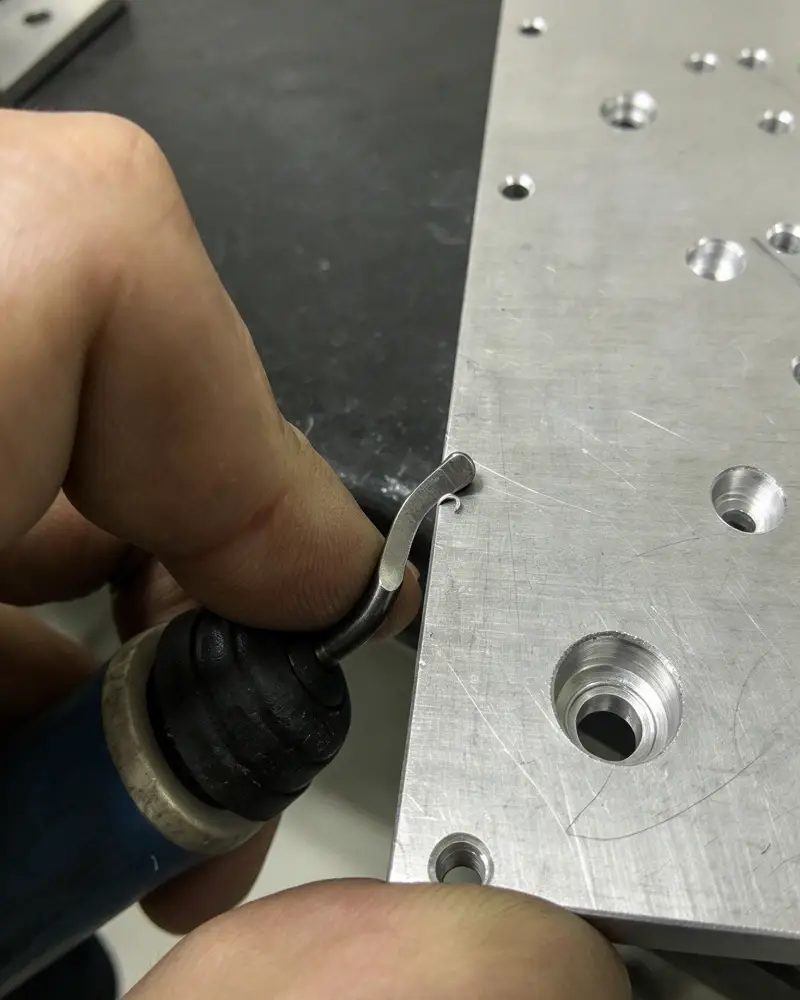
Deburring removes projections left by cutting or punching. An edge break softens the transition between faces. Neither term establishes a universal radius.
Where an edge affects sealing, handling, assembly, or a mating component, define the required condition on the drawing. Excessive material removal can alter small holes, slots, and thin features.
Grain, Weld Blending, and Cosmetic Faces
Brushing creates a directional texture. Orbital finishing produces a less directional appearance. For adjacent panels, grain orientation can be as noticeable as color.
Identify visible faces and define acceptable weld appearance, scratches, support marks, and texture. An agreed reference sample and viewing conditions are more useful than an undefined “cosmetic finish” requirement.
Weld blending removes material. The desired appearance must remain compatible with the wall thickness and joint requirements.
Surface Roughness
A roughness value does not define a complete cosmetic finish. Surfaces with similar Ra values can differ in gloss, grain, color, and visible marks.
Specify the roughness parameter, units, measurement direction, and location where these affect acceptance.
Protect Fit, Threads, and Electrical Interfaces
Finishing requirements belong in the same review as the fabricated geometry. A coating that looks correct can still interfere with a thread, locating feature, or grounding connection.
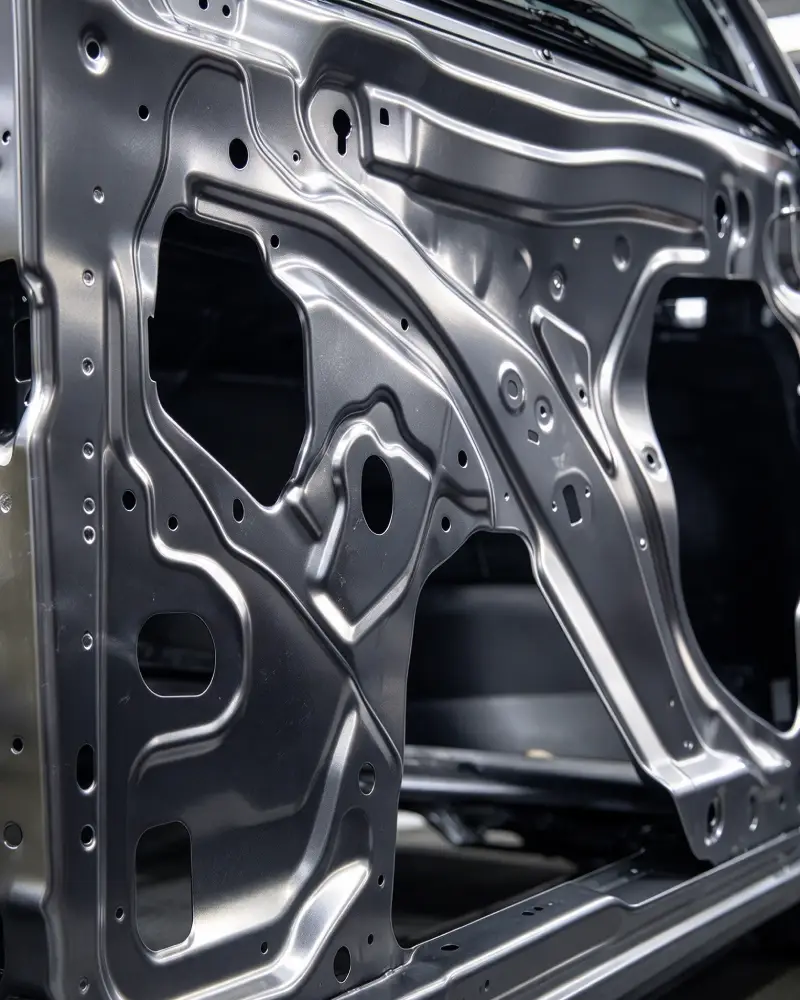
Coating Thickness and Finished Dimensions
A deposited coating on both walls of a bore reduces its diameter by approximately twice the local film thickness. Coating on an external diameter increases that diameter.
Anodizing requires a different allowance because the oxide grows both into and outward from the original surface.
Identify whether critical dimensions apply before or after finishing. Review threads, slip fits, locating holes, and sliding interfaces together with the selected treatment.
Masking and Grounding Areas
Define surfaces, holes, and threads that must remain free of a treatment. Masking boundaries need particular attention near bends, hems, recesses, and welds.
Anodic oxide is electrically insulating. Aluminum conversion coatings used for electrical contact applications require the appropriate specified class and acceptance criteria. A bare or selectively treated grounding area also needs a defined final surface condition.
Hardware and Process Contact Points
Hardware installation sequence depends on the fastener, substrate, finishing process, and installation access.
Installation before treatment may expose hardware to chemicals or coat threads. Installation afterward may damage the finish or change installation conditions. The fastener manufacturer’s requirements and joint design govern the choice.
Electrolytic processes need electrical contact, and powder coating needs a grounding route. Define acceptable support or contact locations where resulting marks could affect appearance or function.
Match the Finish to the Operating Environment
Aluminum Treatments
Anodizing is commonly selected for protection and a metallic appearance. Hardcoat anodizing is considered where wear is a stronger design driver.
Alloy composition, weld filler, and prior surface treatment can produce visible differences within an assembly. Thickness and dimensional growth must be assessed separately from the color designation.
Conversion coatings can provide a paint base or a protective treatment for specified electrical contact applications. A non-hexavalent process designation alone does not establish compliance for an entire product.
Stainless Steel and Plated Parts
Stainless steel passivation addresses free iron contamination. Substantial weld oxide removal is a separate preparation consideration.
Electroless nickel can provide relatively uniform deposition across accessible wetted surfaces, but recesses and trapped gas still matter. Zinc protects steel sacrificially; service conditions and supplementary treatments influence performance.
For susceptible high-strength steel, plating-related hydrogen embrittlement requirements need attention during process selection.
Powder Coating, Wet Paint, and Markings
Exterior-grade polyester powder systems are commonly considered for UV exposure. Epoxy systems can suit selected indoor and chemical environments but tend to chalk under UV. Chemical or immersion suitability depends on the actual coating system.
Deep recesses can be difficult to coat evenly. Cure temperatures also affect seals, adhesives, and purchased components. A suitable liquid coating system may offer a different cure route where heat exposure is a constraint.
For printed legends or laser marking, define artwork, contrast, location, and abrasion exposure. Laser marking can alter or remove a protective layer, so corrosion requirements must be considered alongside identification.
Agree on Inspection and Acceptance
Define what must be checked and what constitutes acceptance before production release.
| Requirement | Evaluation approach | Information to agree |
|---|---|---|
| Coating thickness | Method suited to the coating and substrate | Measurement locations, limits, and treatment of edges or recesses |
| Adhesion | Specified method, such as ASTM D3359 where applicable | Procedure, acceptance rating, and sample arrangement |
| Surface roughness | Profile measurement | Parameter, units, direction, and location |
| Cosmetic appearance | Comparison under agreed viewing conditions | Reference sample, visible faces, color, gloss, texture, and permitted marks |
| Corrosion performance | Specified exposure test where required | Substrate, preparation, coating system, test duration, and failure criteria |
| Fit and selective treatment | Inspection against drawing requirements | Finished dimensions, thread condition, masking boundaries, and contact surfaces |
| Documentation | Review against order requirements | Required records, certificates, reports, and lot identification |
ShincoMetal’s project review records the agreed finish requirements and inspection responsibilities before production release.
For externally processed finishes, ShincoMetal coordinates the agreed specification and required documentation with the finishing partner.
The quotation identifies which inspection records, finish certificates, or test reports are included and which require a separate arrangement.
A material test report addresses the base metal; it does not replace a finish certificate or coating test report. Similarly, an ASTM B117 salt spray result describes behavior under specified test conditions and does not directly predict years of field service.
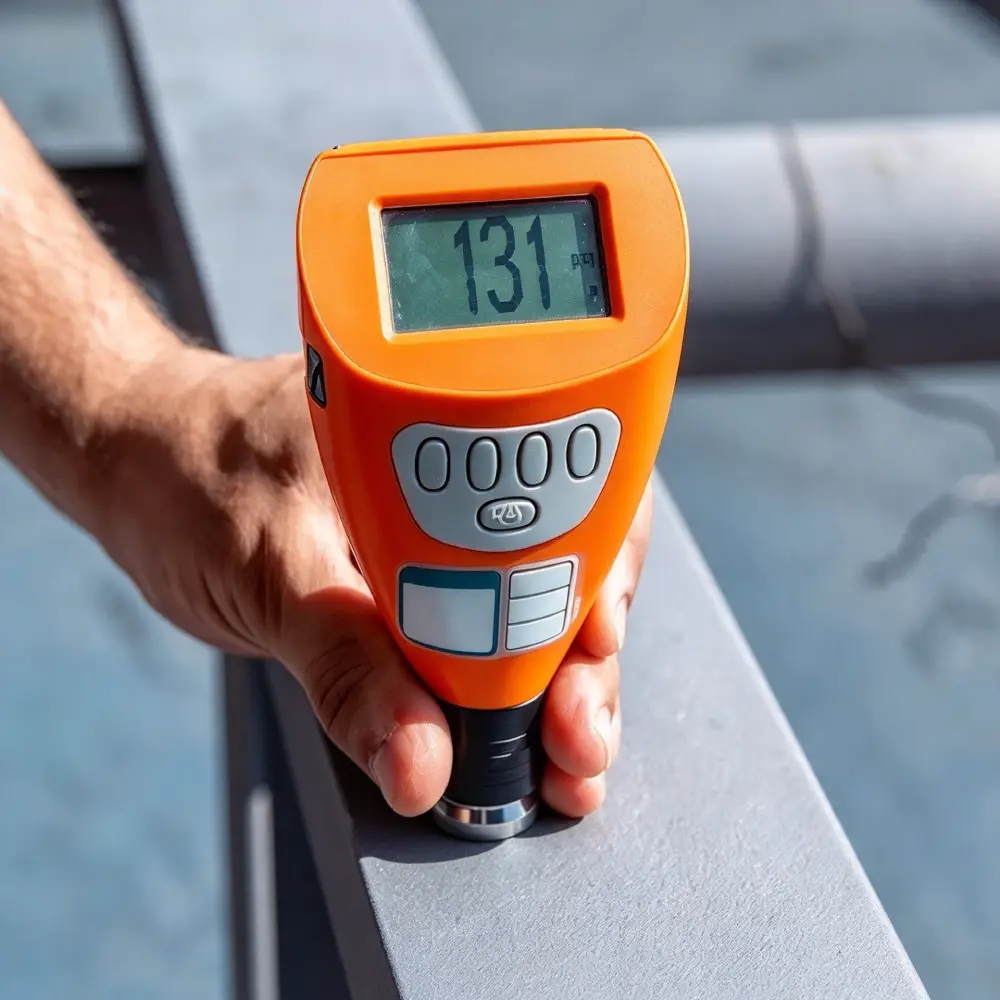
Review Samples Before Production Where Needed
A reference sample helps communicate color, gloss, texture, and grain. A finished first article can also reveal interference at mating features or differences around welds and formed areas.
Where sample approval is required, include sample preparation, customer review, and possible revisions in the project schedule.
Finishing price and lead time depend on preparation, geometry, masking, coating selection, quantity, and acceptance requirements. Custom colors, special testing, and documentation can add work beyond the coating operation.
For repeat orders, define which appearance references and approved requirements must remain consistent between batches.
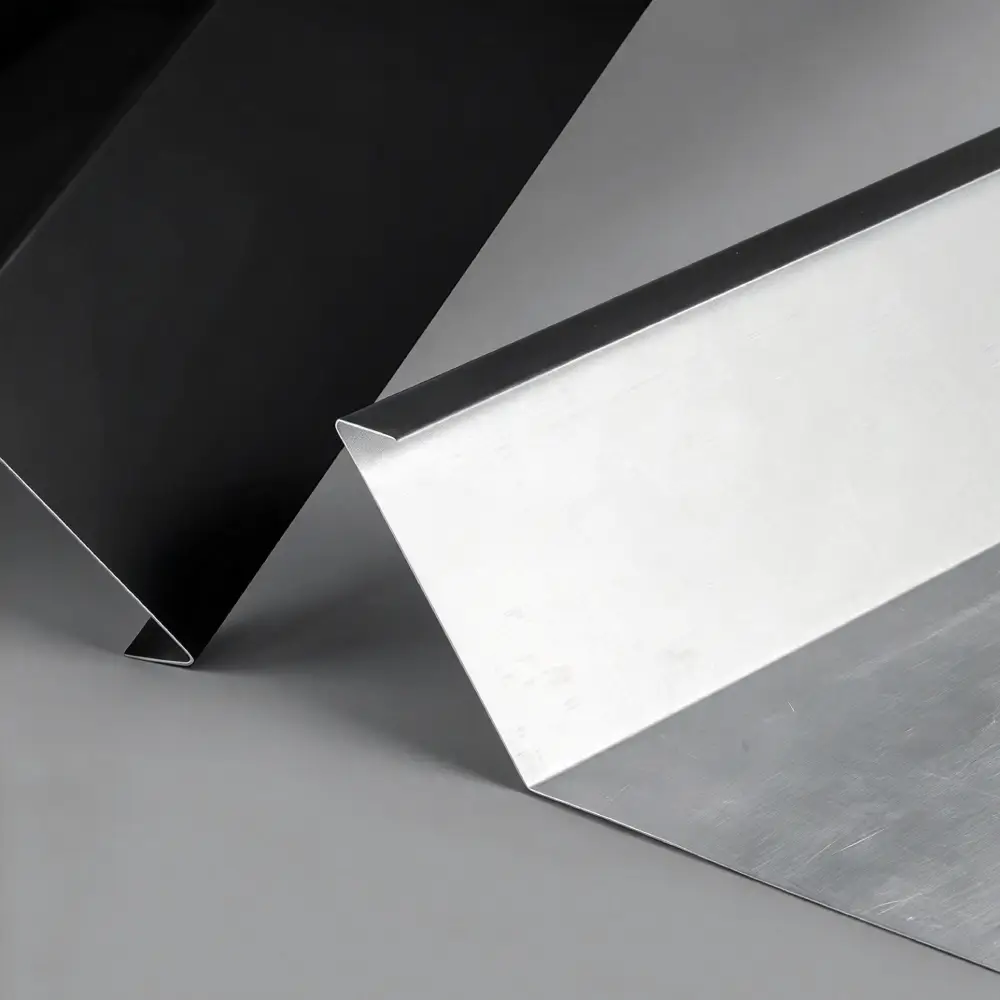
What to Include in Your Finishing RFQ
Send the information below so the discussion can address both the finish and the fabricated part.
| RFQ information | What to include |
|---|---|
| Part definition | CAD model and dimensioned drawing with revision identification |
| Material | Alloy, condition or temper, and thickness |
| Finish | Process, applicable specification, color, gloss, texture, or reference sample |
| Application | Indoor or outdoor exposure, relevant chemicals, wear, and electrical requirements |
| Functional features | Critical finished dimensions, threads, masking boundaries, and grounding surfaces |
| Appearance | Cosmetic faces, grain direction, weld appearance, and permitted contact marks |
| Assembly | Hardware and components affected by chemicals, heat, or installation sequence |
| Order requirements | Quantity, expected repeat demand, and required delivery date |
| Acceptance | Samples, approval stages, inspection records, certificates, and traceability requirements |
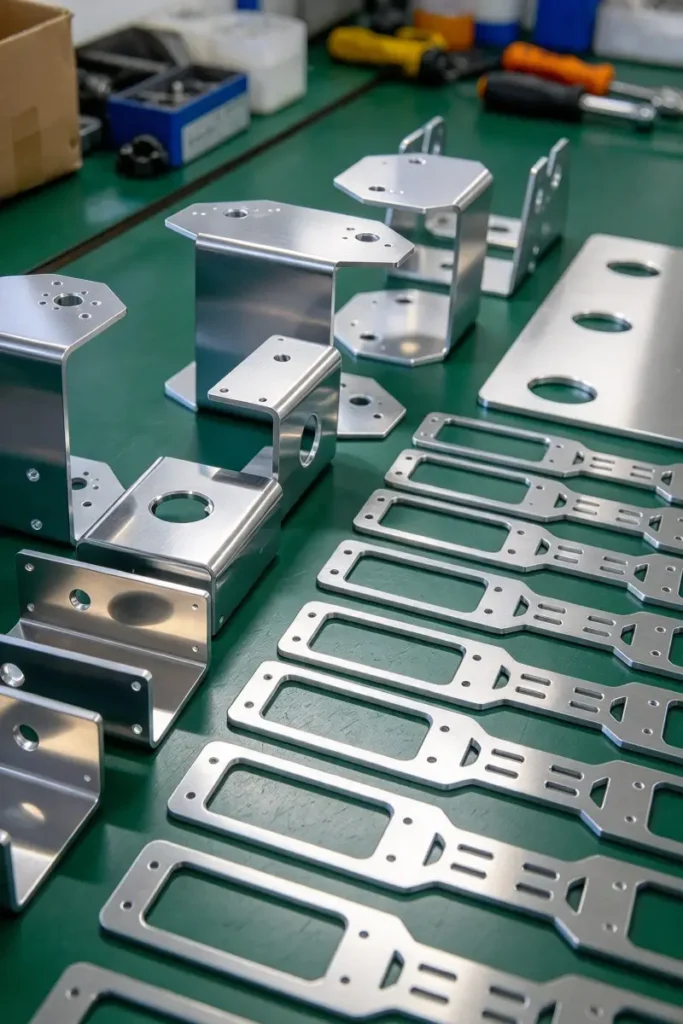
If you have not selected a finish, describe the operating environment and the features that must retain fit, appearance, or electrical contact.
Send your proposed NDA or confidentiality requirements before sharing sensitive drawings.
FAQ
Can I request finishing as part of a fabricated-part order?
Yes. Discuss the finish alongside your component or assembly requirements so that material, geometry, masking, hardware, and final acceptance can be reviewed together.
Which finish should I choose for aluminum sheet metal?
The choice depends on exposure, appearance, wear, electrical behavior, and fit. Anodizing retains a metallic appearance, powder coating adds a colored barrier, and conversion coating can support paint preparation or specified electrical contact applications.
Can you work to a finish standard on my drawing?
Send the applicable standard, revision, relevant type or class, and acceptance requirements for review. A standard reference must be assessed together with the material, geometry, and required evidence; it should not be treated as automatic confirmation of compliance.
Do you accept customer-supplied parts for finishing only?
Finishing-only orders may be considered after reviewing the material, existing surface condition, geometry, quantity, and required treatment.
Is passivation the same as polishing stainless steel?
No. Passivation addresses surface contamination. Polishing and brushing change texture and appearance. Weld oxide removal may require separate preparation.
What if I do not have a complete finish specification?
Send the drawing, operating environment, and functional requirements. Identify the visible surfaces, mating features, and electrical contacts so the discussion can focus on the conditions that determine finish suitability.
Request a Quote for Sheet Metal Finishing
Tell us your base material, required finish, quantity, and delivery requirements. Include a link to your CAD files and drawings, noting cosmetic surfaces, masking areas, and critical finished dimensions. If the finish is undecided, describe the operating environment and functional requirements.
Factory Address
Building 1, No.8, Second Street, Huangjiang Town,
Dongguan City, Guangdong Province
Email
contact@shincometal.com
Phone / WhatsApp
+86 13392819510
Factory Visits
Please contact us in advance to arrange a factory visit.